
First-year electrician apprentice tool list: buy this, wait on that
One of the most common worries before day one is showing up underprepared. The good news, from people who've done it: first-year apprentices need surprisingly little of their own gear. Buy decent basics, protect your body, and let the job — not a store display — tell you what to buy next.
This is general guidance, not a safety or code manual. Tool needs, and what your employer must provide, vary by company, local, and state. Always ask for your program's or employer's official tool and PPE list before spending money.
Rule one: get the official tool list first
Before you buy anything expensive, ask your employer, apprenticeship, or local for their tool list. Many companies have one, and the type of work you'll do should decide the tools you carry. Showing up with exactly what's asked — plus good boots and lunch — beats showing up with a giant kit you financed and don't need yet.
Buy now: PPE and your body
Protecting yourself is the one place it's worth spending early:
- Safety glasses and hearing protection.
- Work gloves, and knee protection for floor work.
- A quality pair of work boots — your feet will thank you.
- Durable pants and a weather-appropriate jacket for outdoor and site work.
- A respirator when drilling or dust calls for it.
Many U.S. employers provide required PPE, but policies vary and boots are a common exception. Confirm your employer's PPE policy rather than assuming.
Buy now: basic hand tools
A modest set of hand tools covers most first-year work. Start here:
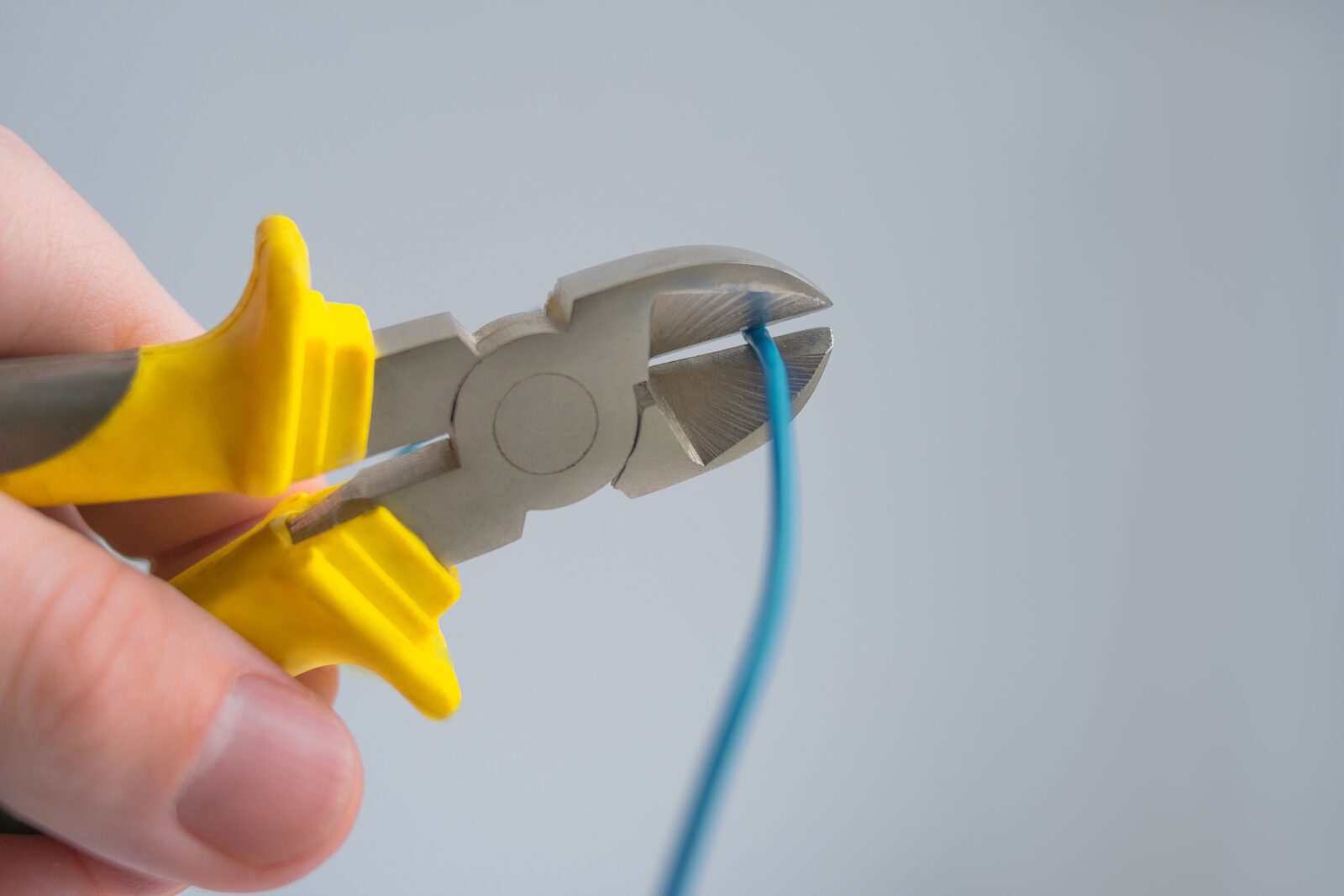
- Lineman pliers, channel locks, and side cutters.
- Wire strippers/cutters.
- An 11-in-1 screwdriver, plus basic Phillips and flathead drivers.
- Tape measure and a torpedo or conduit level.
- A non-contact voltage tester and a GFCI tester.
Wait on this (let the job decide)
Experienced electricians repeatedly warn beginners against "tool porn" spending in the first couple of years. Hold off on:
- Meters and specialty testers — even a basic multimeter can wait until your work actually calls for one (a non-contact tester and GFCI tester cover most first-year checks).
- Power tools, bits, blades, and hole saws — often contractor-provided when required for the work.
- Premium tool bags and large packout/storage systems.
- Specialty tools you haven't been asked to bring.
It's completely normal to start cheap and upgrade over years as you learn what you actually reach for.
Don't finance a giant setup
Apprentice pay starts low, and a big tool purchase on credit is a classic first-year money mistake. Budget first for boots, PPE, and basic hand tools, then add tools as the work — and your paycheck — require them. If a required power tool or consumable is for the contractor's work, ask whether it's provided before buying it yourself.
The first-day mindset matters more than the kit
The habits that make journeymen want to teach you have nothing to do with owning premium tools: show up early, wear your PPE, keep the work area clean, take notes, ask clear questions, and try to have the next tool or material ready before it's asked for. Bring an extra of small consumables when you can — dropping or breaking your only one can stall the task.
Before you commit to the trade
If you're still weighing the path itself, see our electrician career profile for pay, licensing by state, and the real entry titles to search. And before you pay for any program, check how to pay for career-change training — apprenticeships pay you while you learn, which changes the tool-budget math entirely.